

When I first learned how to run ppc ads, I thought it was simple. Create an ad, set a budget, and traffic will come. Traffic did come. But conversions didn’t.
That’s when I realized something important—running PPC ads is easy, but running profitable PPC ads requires structure, intent, and constant optimization.
If you want real results, this guide will walk you through exactly how I run campaigns today without wasting budget.
Key Takeaways
- PPC ads only work when aligned with clear intent
- Keywords and ad relevance matter more than budget
- Landing pages decide conversions, not ads
- Tracking is critical for improving performance
- Optimization is an ongoing process, not a one-time setup
What Does It Actually Mean to Run PPC Ads?
At its core, PPC is simple.You pay when someone clicks your ad.But here’s what most people miss: Not every click is valuable.
Running PPC ads is about targeting the right audience, showing the right message, and guiding them toward a specific action.
When all three align, you get results.
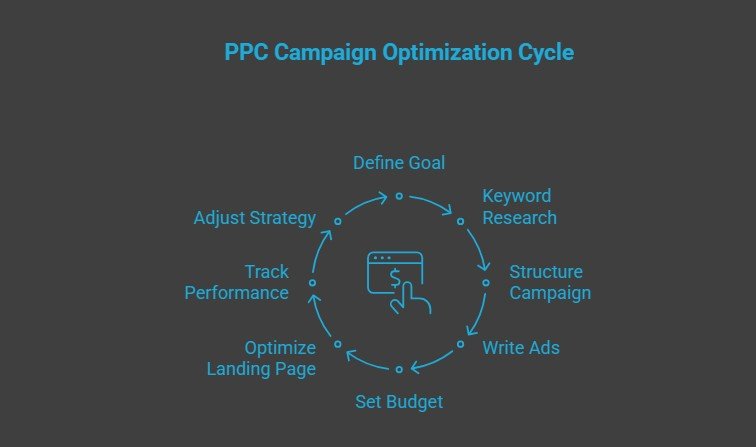
Step 1: Choose the Right Platform
Before I run any ads, I decide where my audience is.
For most beginners, Google Ads works best because users already have intent. They are actively searching for solutions.
Other platforms like Facebook or Instagram are better for discovery, but if your goal is conversions, starting with search-based ads is more effective.
Step 2: Set a Clear Campaign Goal
This step is often skipped, and it leads to poor results.
I always define:
- What action do I want?
- What counts as success?
- What is my acceptable cost per result?
Without a goal, your campaign becomes directionless.
Step 3: Target the Right Keywords
This is where most campaigns either succeed or fail.
I focus on keywords with strong intent:
- Users ready to buy
- Users comparing solutions
- Users looking for specific services
If you want to go deeper into this, read: how to find ppc keywords
Choosing the right keywords ensures you are attracting the right audience from the start.
Step 4: Create Ads That Match User Intent
Generic ads don’t work anymore.
Every ad I write is built around one idea—relevance.
I make sure:
- The keyword appears in the headline
- The message solves a clear problem
- There is a strong reason to click
For example:
Instead of saying “Best Services Available,” I say “Get More Leads with PPC – Free Audit Today”
Clear, direct, and benefit-driven.
Step 5: Set Budget Without Overspending
When I started, I made the mistake of increasing my budget too quickly.
Now I follow a simple rule:
Start small, test, then scale.
- Set a daily budget you can afford to lose initially
- Monitor cost per click
- Focus on conversions instead of traffic
If your costs feel too high, this will help: reduce ppc cost without losing traffic
Step 6: Build a Landing Page That Converts
This is where most people lose money.
Even if your ad is perfect, a poor landing page will kill your results.
I always check:
- Does the headline match the ad?
- Is the offer clear?
- Is there a strong call to action?
- Is the page fast and simple?
Your landing page should feel like a continuation of your ad, not a different experience.
Step 7: Set Up Tracking Before Launch
I learned this the hard way.
Running ads without tracking is like driving blind.
Before launching, I always set up:
- Conversion tracking
- Analytics
- Click monitoring
If you don’t know how to do this properly, start here: ppc conversion tracking setup guide
This step alone can determine whether your campaign succeeds or fails.
Step 8: Launch and Monitor Performance
Once everything is set, I launch the campaign—but I don’t walk away.
The first few days are about collecting data.
I monitor:
- Click-through rate
- Conversion rate
- Cost per conversion
This data tells me what is working and what needs improvement.
Step 9: Optimize for Better Results
This is where real performance happens.
I regularly:
- Pause keywords that don’t convert
- Improve ad copy
- Adjust bids
- Test new variations
Small improvements over time create significant gains.
This is also where most beginners stop too early. They expect instant results instead of refining the campaign.
Common Mistakes When Running PPC Ads
I made these mistakes early, and they cost me money.
- Targeting too broad keywords
- Ignoring tracking data
- Sending traffic to the homepage
- Not testing different ads
- Scaling too quickly
Avoiding these mistakes puts you ahead of most beginners.
How Long Does It Take to See Results?
From my experience:
- First week: data collection
- Weeks 2–3: adjustments
- Month 1–2: consistent performance
PPC is faster than SEO, but it still requires testing and refinement.
What Actually Makes PPC Ads Profitable

This is something I wish I understood earlier.
Profitability does not come from launching ads.
It comes from:
- Consistent testing
- Understanding user behavior
- Improving conversion rates
- Managing costs
The more you refine your process, the better your results become.
Frequently Asked Questions
1. How much should I spend on PPC ads as a beginner?
Start with a small daily budget and focus on learning. It is better to test with limited spend and improve gradually rather than risking a large amount without data.
2. Are PPC ads better than SEO?
PPC gives faster results, while SEO builds long-term traffic. The best strategy often combines both depending on your goals.
3. Why am I getting clicks but no conversions?
This usually means your landing page or targeting is not aligned with user intent. Review your message and make sure it matches what users expect.
4. Can I run PPC ads without a website?
Yes, but having a well-optimized landing page significantly improves conversion rates and overall performance.
A Better Way to Run PPC Ads That Actually Work
Learning how to run ppc ads changed my entire approach to digital marketing.
I stopped focusing on clicks and started focusing on results.That shift made the difference.
If you build your campaigns with clear goals, strong keywords, proper tracking, and continuous optimization, you won’t just run ads.
You’ll create a system that consistently generates leads and revenue.