


I stopped treating creator campaigns like a guessing game when I realized the right software changes everything. Once I built a repeatable workflow around the best influencer marketing tools, I spent less time chasing replies and more time finding creators who could actually move revenue.
What changed for me was simple. I stopped looking for flashy dashboards and started looking for tools that could help me discover relevant creators, vet audience quality, manage outreach, organize campaigns, and measure results without turning the whole process into manual chaos. That shift made my workflow cleaner, faster, and easier to scale.
Key Takeaways
The strongest platforms help with creator discovery, campaign management, performance tracking, and relationship management in one place. I have found that the smartest way to choose a platform is to match the tool to the campaign stage.
Some tools are better for discovery, some are stronger in reporting, and others work best when you need deeper relationship management or long-term creator operations. That is the difference between buying software and building a system that performs.
What Makes A Creator Platform Worth Paying For?
I look for four things first. I want strong discovery filters, clean creator data, campaign organization, and reporting that tells me what happened without forcing me to dig through five tabs. I also care a lot about workflow. A platform can look impressive in a demo and still slow everything down once the campaign starts.
If I cannot move from shortlist to outreach to tracking without friction, I know the tool will create more work than it saves. That matters even more when you run seasonal launches, product drops, affiliate pushes, or recurring creator programs.
How I Pick The Best Influencer Marketing Tools For My Workflow
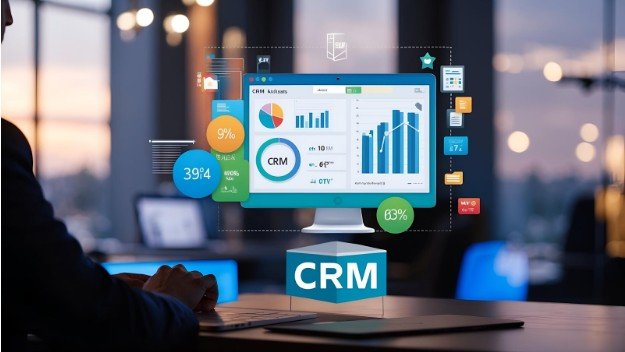
When I compare platforms, I break them into use cases instead of trying to crown one universal winner. That keeps me from choosing a tool based on branding instead of fit. For discovery-heavy campaigns, I want broad creator search, audience filtering, and authenticity checks.
For ongoing programs, I care more about creator CRM, communication history, briefs, approvals, and performance summaries. For growth teams tied to revenue, I want attribution and ROI visibility. That is why I never shop by headline alone. I shop by the bottleneck I need to fix.
Which Platforms Stand Out Right Now?
Sprout Social’s influencer platform stands out when a team wants data-driven creator discovery, campaign execution, and ROI tracking in one workflow. Their positioning leans heavily on analytics, organization, and measurable outcomes, which makes it attractive for teams that need structure rather than loose creator spreadsheets.
GRIN, CreatorIQ, Traackr, Aspire, Upfluence, and Meltwater keep appearing across reviews because they cover core needs like creator management, campaign coordination, and reporting. Meltwater works well if you want discovery, management, and performance reporting under one roof. It fits teams running larger or more structured programming.
Upfluence and similar platforms stay relevant because ecommerce and affiliate-focused teams often need stronger connections between creators, product seeding, and revenue tracking. That matters when your goal is not just reach but repeatable purchase behavior tied to offers and creator relationships.
How Do I Actually Use These Tools In A Real Campaign?
I start by defining the campaign outcome before I ever open a platform. If the goal is awareness, I care more about audience fit and content quality. If the goal is conversion, I care more about creator trust, offer alignment, and trackable performance. That one decision shapes the rest of my shortlist.
After that, I use reporting to cut what is underperforming fast. I am not loyal to a creator just because the numbers looked good on paper. I watch click quality, conversion behavior, content output, and consistency. Good tools make that decision easier because they turn scattered activity into something I can compare quickly.
How To Build A Smarter Creator Stack Without Wasting Budget

First, pick the one part of your workflow that feels broken. Maybe discovery takes too long. Maybe your outreach is messy. Maybe reporting feels impossible. Start there and choose a platform that solves that one problem well.
Next, run a live test instead of trusting a sales pitch. Build a shortlist, invite a few creators, and use an actual campaign to judge the platform. That is the fastest way to learn whether the interface supports your workflow or just looks polished.
Then document what worked. Save your filters, your outreach templates, your creator notes, and your reporting structure. The teams that get consistent results are not just using software. They are building an operating system around it.
Frequently Asked Questions
1. What are the best influencer marketing tools for growing brands?
The strongest options are the ones that help you find relevant creators, manage outreach, track performance, and keep campaign data organized in one place.
2. Should I choose one all-in-one platform or several smaller tools?
I would start with one strong platform if your team wants speed and simplicity. I would stack smaller tools only when I need more flexibility.
3. How do I know a creator platform is worth the price?
I look at time saved, reporting clarity, creator quality, and whether the platform helps me turn campaigns into measurable outcomes instead of just activity.
What I’d Keep In Mind Before You Choose
I learned this the hard way: the right platform does not just help you find creators. It helps you build a repeatable system that makes creator marketing easier to run, easier to measure, and easier to improve.
If I were choosing today, I would ignore the hype, focus on the workflow, and pick the tool that solves the biggest daily problem first. That is usually where the real growth starts.