
When I first built a ppc advertising strategy for small business, I assumed running ads was all about budget. Spend more, get more results. That didn’t happen. Instead, I saw inconsistent leads, rising costs, and no clear direction. That’s when I realized something important—small businesses don’t need bigger budgets.
They need smarter strategies.
If you’re running ads or planning to, this guide will show you exactly how I approach PPC for small businesses without wasting money.
Key Takeaways
- A focused strategy beats a large budget every time
- Targeting the right audience matters more than traffic volume
- Keyword intent drives conversions
- Tracking and data help you scale efficiently
- Consistency and optimization are the real growth drivers
What Makes PPC Different for Small Businesses?
Small businesses don’t have unlimited budgets. That changes everything.
You can’t afford to test randomly or run broad campaigns. Every click must have a purpose.
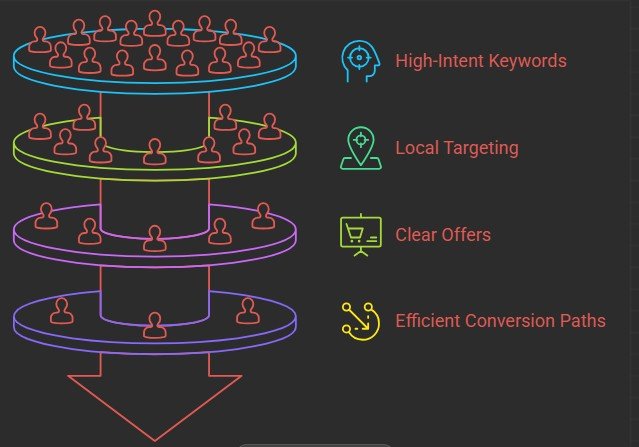
When I started working with smaller budgets, I learned to focus on:
- High-intent keywords
- Local targeting
- Clear offers
- Efficient conversion paths
This approach helped me get better results with less spend.
Step 1: Start with a Clear Business Goal
Before running any ads, I define one thing clearly:
What result do I want?
- Leads
- Sales
- Calls
- Bookings
Without this clarity, your campaign lacks direction.
Every decision—from keywords to landing pages—should support that goal.
Step 2: Focus on High-Intent Keywords Only
Small businesses cannot afford wasted clicks.
That’s why I avoid broad keywords and focus on intent-driven searches.
These include:
- Keywords with buying intent
- Service-specific searches
- Location-based queries
If you want to find these effectively, read: how to find ppc keywords
This step alone can reduce wasted spend significantly.
Step 3: Build a Simple but Effective Campaign Structure
Overcomplicating campaigns is a common mistake.
I keep it simple:
- One campaign per goal
- Focused ad groups
- Highly relevant keywords
This improves quality score and keeps costs under control.
A clean structure also makes optimization easier later.
Step 4: Write Ads That Speak Directly to Your Audience
Generic ads don’t work, especially for small businesses.
Your ad needs to feel personal and relevant.
I always:
- Address the user’s problem
- Offer a clear benefit
- Use simple, direct language
For example:
Instead of saying “Best Services,”
Say “Affordable Local PPC Services – Get Results Fast”
Clear messaging improves click-through and conversion rates.
Step 5: Control Your Budget Strategically
Budget control is critical for small businesses.
I always:
- Start with a manageable daily budget
- Test performance before scaling
- Focus on cost per conversion, not clicks
If your costs start increasing, this helps: reduce ppc cost without losing traffic
The goal is efficiency, not volume.
Step 6: Optimize Your Landing Page for Conversions
Your landing page determines whether your campaign succeeds or fails.
Even the best ads cannot fix a poor landing page.
I focus on:
- Clear headline matching the ad
- Strong call to action
- Simple design with no distractions
- Fast loading speed
For small businesses, every visitor matters. Your page must convert effectively.
Step 7: Set Up Tracking from Day One
This is one of the most important steps.
Without tracking, you cannot improve.
I always set up:
- Conversion tracking
- Analytics
- Call tracking (if relevant)
If you need help with this, read: ppc conversion tracking setup guide
Tracking helps you understand what is working and what is not.
Step 8: Use Data to Improve Performance
Once your campaign is live, your job is not done.
This is where real improvement begins.
I regularly:
- Review keyword performance
- Adjust bids
- Improve ads
- Remove underperforming elements
Small improvements lead to better results over time.
Step 9: Focus on ROI, Not Just Traffic
This is a mindset shift that changed everything for me.
More traffic does not mean more success.
What matters is:
- Cost per lead
- Cost per sale
- Return on investment
If you want to go deeper into this, explore: track roi from ppc campaigns
Focusing on ROI ensures your strategy remains profitable.
Common Mistakes Small Businesses Make in PPC
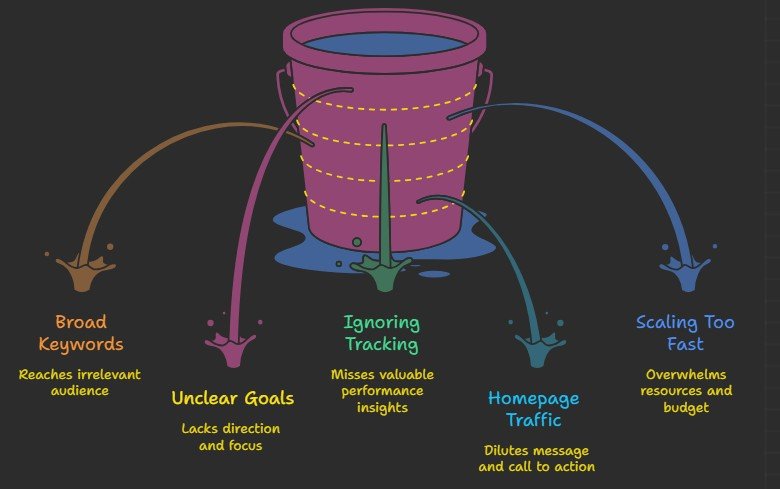
I’ve made these mistakes myself:
- Targeting too broad keywords
- Not setting clear goals
- Ignoring tracking data
- Sending traffic to the homepage
- Scaling too fast
Avoiding these mistakes can save a lot of money.
How Long Does It Take to See Results?
From my experience:
- First week: data collection
- Weeks 2–3: optimization
- Month 1–2: consistent results
PPC is faster than most channels, but it still requires testing and refinement.
What Actually Makes a PPC Strategy Work Long-Term

This is where most people get it wrong.
A successful strategy is not about launching campaigns.
It is about managing them consistently.
The businesses that win with PPC:
- Test regularly
- Optimize continuously
- Focus on conversions
- Adjust based on data
This approach creates predictable growth.
Frequently Asked Questions
1. Is PPC worth it for small businesses?
Yes, PPC can generate leads quickly if managed properly. It is especially useful for businesses that need immediate visibility and results.
2. How much should a small business spend on PPC?
Start with a budget you can afford to test with. Focus on efficiency first, then scale once you see consistent results.
3. Can I manage PPC campaigns myself?
Yes, but you need to understand basics like keyword targeting, tracking, and optimization. Without these, results may be inconsistent.
4. What is the biggest factor in PPC success?
Targeting the right audience with the right message. If your targeting is strong, everything else becomes easier to optimize.
A Smarter Way to Build PPC Growth for Small Businesses
Building a ppc advertising strategy for small business changed how I approach marketing.
I stopped chasing traffic and started focusing on results.
That shift made all the difference.
If you keep your strategy simple, focus on intent, and optimize consistently, you can turn PPC into a reliable growth channel without needing a large budget.