

When I first started running creator campaigns, I honestly believed that bigger audiences would automatically lead to better results. It felt like common sense. More followers should mean more clicks and more sales, right?
But once I started analyzing performance closely, I noticed something surprising. Smaller creators were often driving more meaningful actions. Not just engagement, but actual conversions. That’s when I started digging deeper into micro vs nano influencers conversion rates, and it completely changed how I approach influencer marketing.
What Is The Difference Between Nano And Micro Influencers?
Nano influencers typically have smaller, tightly connected audiences. Their content feels personal, their recommendations feel honest, and their followers often trust them like a friend. This creates a strong emotional connection that plays a huge role in purchase decisions.
Micro influencers operate on a slightly larger scale. They still maintain a niche focus, but their reach is broader. Their content tends to be more polished, and they often have experience working with brands in structured campaigns. This makes them useful for both awareness and conversions at scale.
Why Do Smaller Influencers Often Convert Better?
When a nano influencer recommends a product, it doesn’t feel like an ad. It feels like advice. That subtle difference is what drives higher action rates. People don’t just scroll past the content—they consider it, and often act on it.
Micro influencers still perform well, but their larger audience can slightly dilute that close-knit trust. That doesn’t make them less effective, just different in how they influence behavior.
How Do Micro Vs Nano Influencers Perform In The Buying Funnel?
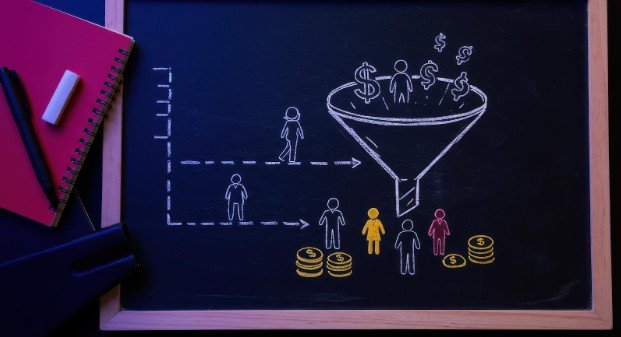
Looking at micro vs nano influencers conversion rates through a funnel perspective made things clearer for me. Nano influencers shine at the bottom of the funnel. Their audience is already engaged and more likely to take action quickly. This makes them ideal for driving direct purchases, sign-ups, or conversions tied to specific offers.
Micro influencers perform well across the middle and lower funnel. They introduce products to a wider but still relevant audience and build credibility through repeated exposure. This often leads to consistent conversions over time rather than immediate spikes.
When Should I Choose Nano Influencers?
I usually choose nano influencers when my goal is high conversion efficiency. They work best for niche products, targeted marketing campaigns, and situations where trust matters more than reach.
They are also incredibly useful for testing. If I want to validate a product, message, or offer, nano influencers give me quick and honest feedback. Their audience reactions often reveal what works and what needs improvement.
Another advantage is cost. Working with nano influencers allows me to collaborate with multiple creators without overspending, which helps spread risk and gather more data.
When Should I Choose Micro Influencers?
Micro influencers are my go-to when I need scale without losing relevance. They help expand reach while still maintaining a level of audience trust that larger creators often lack. They are also easier to manage in structured campaigns.
Most micro influencers understand deliverables, timelines, and brand expectations, which makes execution smoother. If I’m launching a product or trying to grow awareness while still driving conversions, micro influencers give me that balance between visibility and performance.
How I Evaluate Influencer Conversion Potential Before Spending
Audience Fit Comes First
Before anything else, I check if the audience matches the product. If there’s no alignment, even the best engagement rates won’t lead to conversions.
Engagement Quality Over Numbers
I focus on meaningful interactions. Comments, questions, saves, and shares tell me far more than likes. These signals show real interest and buying intent.
Tracking Makes Everything Clear
I always use unique links, discount codes, or landing pages. Without tracking, it’s guesswork. With tracking, I can clearly see which creators are driving results.
How To Choose The Right Influencer Tier For Better Results
My approach is simple but effective. First, I define the goal. If I want strong, high-intent conversions, I lean toward nano influencers. If I want to reach with steady conversions, I choose micro influencers.
Second, I test multiple creators instead of relying on one. This gives me a clearer picture of performance and reduces risk. Third, I measure everything beyond clicks. I look at actions like add-to-cart, sign-ups, and completed purchases. These are the metrics that truly matter.
The biggest shift for me was realizing that influencer marketing is not about popularity. It’s about alignment. Once I started matching the right creator type to the right goal, my results became far more consistent.
Frequently Asked Questions
1. Which is better for sales: micro or nano influencers?
Nano influencers usually deliver higher conversion efficiency, while micro influencers generate more total conversions due to broader reach.
2. Why are micro vs nano influencers conversion rates different?
The difference comes from trust, audience closeness, and niche targeting. Smaller audiences tend to respond more quickly to recommendations.
3. Are nano influencers more cost-effective?
Yes, they are generally more affordable and allow brands to test campaigns with lower risk and better efficiency.
4. Do micro influencers still perform well for conversions?
Yes, especially when campaigns require scale, structured execution, and consistent visibility across a larger audience.
What Changed My Strategy The Most
When I stopped chasing follower counts and started focusing on audience trust, everything changed. Campaigns became more predictable, and conversions improved without increasing spend.
Understanding micro vs nano influencers conversion rates helped me shift from guessing to making data-backed decisions. Instead of trying to reach everyone, I focused on reaching the right people through the right creators.
If there’s one thing I’ve learned, it’s this: conversions don’t come from size alone. They come from connection. And once you start prioritizing that, your campaigns start working the way they’re supposed to.