
I used to think local marketing worked best when I pushed harder on ads, broader reach, and more content. Over time, I learned the opposite. The campaigns that moved the needle fastest were the ones that felt close, familiar, and relevant to the people already nearby. That shift changed how I build every local campaign now.
A smart hyperlocal influencer marketing strategy is not about chasing the biggest creator in your space. It is about finding the right voice in the right neighborhood at the right moment. When I pair trusted local creators with location-aware content, search visibility, and a clear offer, I get stronger engagement, better in-store action, and content I can reuse across channels.
Why Does Local Creator Marketing Work So Well Now?
People respond faster when the message feels personal and close to home. A neighborhood coffee recommendation, a gym shoutout from someone people actually recognize, or a creator showing a real visit to a local business feels more believable than a polished national ad. That trust is the real advantage.
I have also seen how location changes buying behavior. Someone who discovers a place through a creator they already follow is much more likely to save it, visit it, or share it with a friend. That makes local creator campaigns especially useful for restaurants, salons, clinics, real estate teams, boutiques, service brands, and event-driven businesses.
What Makes A Campaign Feel Truly Hyperlocal?
A campaign becomes hyperlocal when every part of it feels tied to a specific community. That means the creator lives there, shops there, talks like the audience, and knows what people in that area actually care about. It also means the content reflects real landmarks, real routines, and real timing instead of generic branding.
I like to build around details that prove proximity. That could be neighborhood references, local events, seasonal habits, commute patterns, or even common weekend spots. The smaller and more recognizable the context, the stronger the campaign usually performs.
How Do I Choose The Right Local Influencers?
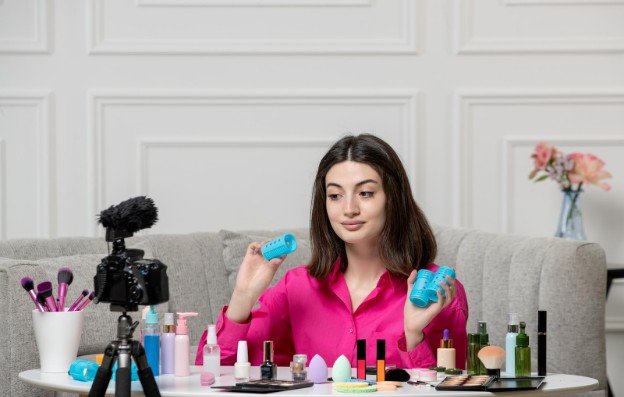
I never start with follower count. I start with audience fit, content quality, and signs of real trust. I look at whether people comment naturally, whether the creator replies, and whether their content already shows a connection to the area I want to reach. If their audience feels active and local, I pay attention.
How Do I Build A Hyperlocal Influencer Marketing Strategy Step By Step?
First, I define the smallest useful target area. I do not try to reach an entire city when a few ZIP codes or a tight service radius will do. This keeps the message focused and makes performance easier to track.
Next, I match that area with a shortlist of creators who already speak to that community. I look for people who post consistently, show their face, visit local places, and create content that feels natural rather than scripted. Then I build a campaign around one clear action. That might be booking a service, visiting during a launch week, redeeming an offer, or attending an event.
After that, I connect the creator content to the rest of the funnel. I update the business profile, tighten landing pages, align location language, and make sure the offer appears everywhere people check before taking action. I also repurpose the best creator content into paid social, retargeting, short-form video, and review-generation techniques.
Finally, I measure outcomes that matter. I track saves, clicks, calls, coupon use, direction requests, bookings, and content reuse value. I do not judge success by likes alone. A small creator with strong local trust can easily beat a larger creator with weaker local intent.
Which Content Formats Usually Perform Best?
I get the best results from simple, useful formats. A walk-in experience video works well because it shows what the customer journey actually feels like. A neighborhood roundup works because it earns shares. A creator’s honest mini review works because it feels credible and easy to consume.
I also like pairing short video with story-style content and one strong call to action. That combination gives people both discovery and urgency. When possible, I add a reason to act now, such as a limited menu item, a local weekend event, or a creator-only code that feels exclusive without sounding forced.
How Can I Make The Campaign More Search Friendly?
I treat creator campaigns as part of search visibility, not separate from it. If the creator mentions the area, tags the business properly, and uses recognizable location terms, that content supports discovery across social and search behavior. It also reinforces relevance for people who look up the business right after seeing the post.
I also keep the google business profile updated with fresh photos, posts, service details, and reviews. When creator content pushes curiosity, people often check search results before they commit. That means the landing experience needs to feel just as strong as the social post that started the journey.
What Mistakes Do I Avoid In Local Creator Campaigns?
The biggest mistake is going too broad. When the audience feels scattered, the content loses urgency. Another mistake is using creators who look polished but lack local trust. A campaign can appear attractive and still fail to convert if the audience does not believe the recommendation.
I also avoid weak offers and vague briefs. If the creator does not know what action matters, the audience will not know either. I keep the brief simple, the message natural, and the next step obvious.
Frequently Asked Questions
1. What is a hyperlocal influencer marketing strategy?
It is a creator-led marketing approach focused on a tightly defined local area, using trusted community voices to drive awareness, visits, leads, or bookings from nearby audiences.
2. Are micro creators better than big influencers for local campaigns?
In many cases, yes. Smaller creators often have stronger audience trust, better local relevance, and more believable recommendations that can lead to real action.
3. What should I track in a local influencer campaign?
I track clicks, saves, calls, bookings, offer redemptions, direction requests, and how well the creator content performs when reused in ads or landing pages.
What I’d Do Next If I Wanted Faster Local Growth
If I were building this from scratch today, I would start smaller than most brands expect. I would pick one service area, three strong local creators, one offer, one landing page, and one measurable action. Then I would improve the campaign after real feedback instead of trying to make it perfect on day one.
That approach keeps the strategy lean, credible, and easier to scale. In my experience, local growth gets much easier once the content feels like it belongs to the community instead of being dropped into it.