
I treat creator content like a one-time social post. Once the campaign ended, I moved on, started fresh, and spent more money building new ad creative from scratch. That approach looked organized on the surface, but it wasted good content, stretched production time, and made scaling much harder than it needed to be.
Everything changed when I started thinking about repurposing influencer content for ads as a system instead of a one-off tactic. I stopped asking whether a creator post “performed well on social” and started asking whether it could become a paid asset, a landing page proof point, a retargeting hook, or a conversion driver. That shift helped me build campaigns that felt more authentic and delivered stronger results.
Key Takeaways
Creator content performs best when I treat it like an asset library, not a finished campaign. The strongest ad creatives usually come from authentic videos, testimonials, product demos, and problem-solving moments that already feel natural.
The most effective workflow starts with content selection, then moves into editing, message testing, placement matching, and scaling. I get better results when I build multiple ad variations from one creator asset instead of relying on a single edit.
Usage rights, creator permissions, and platform fit matter just as much as creativity. When those pieces are in place, influencer content becomes one of the most flexible forms of ad creative I can use.
Why Does Creator Content Work So Well in Paid Campaigns?

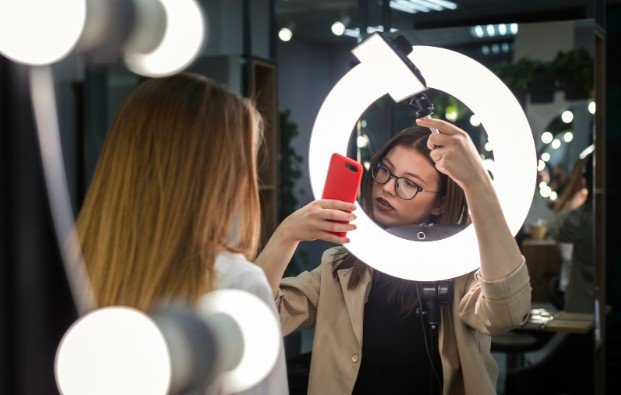
When I run ads with polished brand creative only, performance can feel hit or miss. It often looks too polished, too scripted, or too obviously promotional. Creator content changes that because it feels like something people would actually stop and watch in their feed.
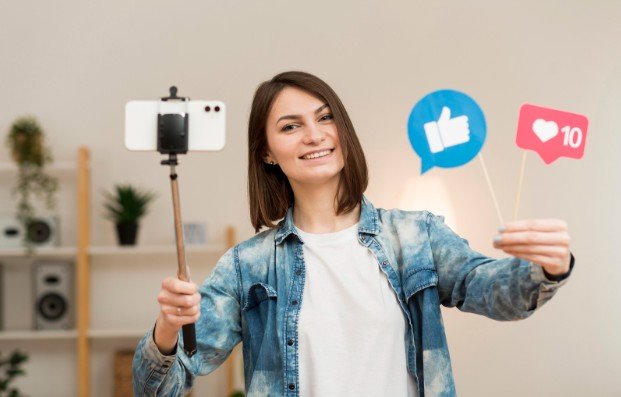
That natural feel matters. A short video showing a real reaction, product use, or quick explanation can build trust faster than a highly designed studio ad. People respond to content that feels lived-in, direct, and believable. That is why creator-led ad creative often improves thumb-stop rate, engagement, and click quality.
I have also found that creator content gives me more flexibility. One original post can turn into several ad angles, including testimonial-driven edits, problem-and-solution clips, before-and-after visuals, and voiceover-based cuts. Instead of chasing endless new shoots, I can build a smarter system from content that already exists.
What Kind of Influencer Content Should I Turn Into Ads?
Not every post deserves a budget behind it. I look for content that already shows strong signals. That usually means clear product visibility, a strong opening hook, a natural speaking style, and a message that solves a real problem quickly.
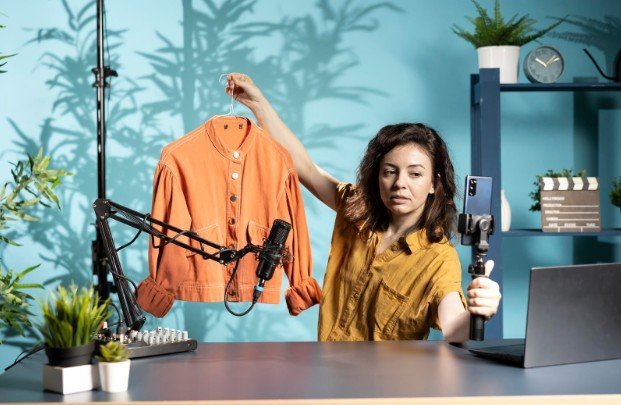
My favorite assets are short-form videos where the creator explains what they use, why they like it, and what changed for them. Tutorials also work well because they do not feel overly sales-driven. Reviews, unboxings, day-in-the-life clips, and simple demonstrations give me plenty to work with when I need different ad versions.
I also pay attention to comments, saves, shares, and audience reactions. If people ask where to buy the product, how it works, or whether it is worth trying, that is usually a good sign. It tells me the content did more than entertain. It created curiosity for buying.
How Do I Build a Strong Ad System From One Creator Asset?

This is where repurposing influencer content for ads becomes far more powerful than random editing. I start by identifying the strongest message inside the original content. Sometimes the best ad is not the full video. It is one sentence, one reaction, or one moment that instantly explains the value.
Next, I create variations around that message. I make one version focused on awareness, one version focused on objections, and another focused on conversion. For example, if the original clip shows a skincare product in use, I might turn it into a first-impression ad, a results-focused ad, and a quick testimonial edit with stronger captions.
Then I match the edit to the platform. Vertical video with fast pacing usually works better for short-form placements. A stronger text hook can help when attention is low. For retargeting, I often use more proof, more detail, and a clearer reason to buy now. That structure helps me stop guessing and start building intentional creative for each stage of the funnel.
How I Think About Funnel Stages
For top-of-funnel ads, I want fast hooks and relatable problems. I want people to feel seen right away. The goal is not to explain everything. It is to earn attention and curiosity.
For middle-of-funnel ads, I use more detail. I answer questions, show product use, and highlight why the creator actually likes the item. At this stage, people need reassurance and context.
For bottom-of-funnel ads, I focus on proof. I want stronger testimonials, clearer outcomes, and a more direct push toward action. That is where creator content can feel especially persuasive because it adds trust without feeling stiff.
How to Repurposing Influencer Content for Ads in a Way That Scales
My process starts with collecting all creator assets in one organized library. I sort by creator, format, theme, hook, and product angle. That makes future testing much easier because I am not digging through old files every time I need fresh creative.
Then I edit for clarity and speed. I tighten openings, improve captions, and build multiple versions without stripping away the creator’s authenticity. From there, I test small, compare performance, and scale the angles that hold attention and convert efficiently. That routine saves time, reduces creative fatigue, and helps me grow campaigns without reinventing the wheel every week.
What Mistakes Should I Avoid?

One mistake I made early was over-editing. I tried to make creator content look like brand content, and I removed the exact quality that made it effective. When the ad stops feeling real, it usually loses its edge.
Another mistake is using every creator asset the same way. Some content works for awareness, some works for retargeting, and some only works on the product page. I get better results when I respect the original strength of the content instead of forcing it into the wrong role.
I also avoid running content without a testing plan. Good creativity still needs structure. I need different hooks, different lengths, and different calls to action if I want to find what actually scales.
Frequently Asked Questions
1. What is repurposing influencer content for ads?
It means turning creator-made content into paid ad creative that can run across platforms, landing pages, and different funnel stages to improve performance and extend content value.
2. How many ads can I make from one creator video?
I can usually create several versions from one strong asset by changing the hook, trimming the format, adjusting captions, and tailoring the message for different audience stages.
3. Do I need creator permission before using content in paid ads?
Yes. I always make sure usage rights are clearly covered before launching paid campaigns. That protects the brand and keeps the ad strategy sustainable.
Where This Strategy Really Started Working for Me
Once I stopped seeing creator posts as disposable campaign content, my entire workflow got stronger. I produced better ad variations, moved faster, and got more value from every influencer partnership. Repurposing influencer content for ads gave me a more practical way to scale without making the creative feel forced or overly branded.
What matters most is having a system. When I organize assets well, protect usage rights, match content to the funnel, and test variations with purpose, I get more from every campaign. That is the real advantage. I am not just reusing content. I am turning authentic creator moments into a repeatable growth engine.