
When I first started working with creator campaigns, I kept running into the same problem. I was getting attention, but it was not turning into real results. That is when I stopped treating campaigns as isolated posts and started building an influencer marketing funnel instead.
That shift changed everything for me. Instead of hoping one post would do all the work, I started guiding people step by step—from discovery to trust to action. Once I aligned creators, content, and goals with each stage, my campaigns finally started making sense and performing better.
What Is an Influencer Marketing Funnel?
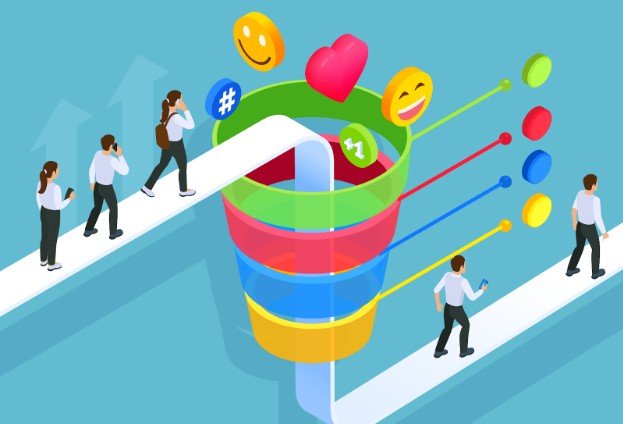
An influencer marketing funnel is a structured approach that uses creators at different stages of the buyer journey. Instead of focusing only on visibility, it helps move people from awareness to consideration and finally to conversion.
Most people do not buy instantly. They need time to discover, evaluate, and trust a brand. A funnel simply organizes your strategy around that natural behavior so each campaign has a clear purpose.
Why Does a Funnel-Based Strategy Work Better?
A funnel-based strategy works because it connects every piece of content to a goal. Instead of guessing what works, I can clearly see whether I need more reach, stronger engagement, or better conversion-focused content. It brings clarity to both planning and performance.
How Do I Build Awareness at the Top of the Funnel?
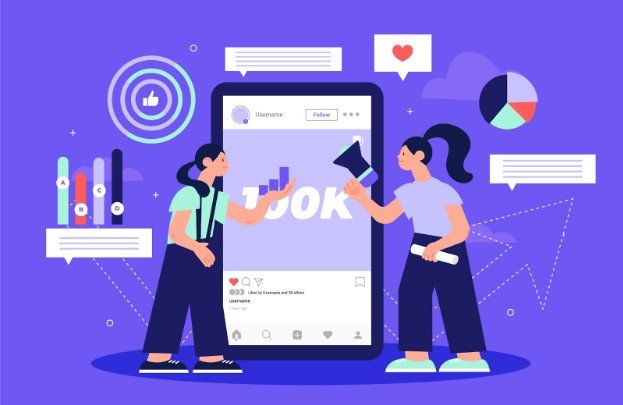
At the awareness stage, my goal is simple. I want people to notice the brand and remember it. This is where larger creators, viral-style content, and visually engaging posts perform best.
I focus on content that feels natural and easy to consume. Things like first impressions, product reveals, and lifestyle integrations work well because they introduce the brand without pressure. The audience is not ready to buy yet, so the goal is to make an impact, not push a decision.
Metrics Matter Most at This Stage
At this stage, I track social media reach, impressions, video views, and audience growth. These numbers tell me whether the campaign is expanding visibility and attracting new attention.
How Do I Move Buyers Into Consideration?
Once people know about the brand, the next step is building trust. This is where I shift my focus from visibility to value. I prefer creators who can explain, demonstrate, and connect with their audience in a meaningful way.
Content becomes more detailed and helpful. Tutorials, reviews, comparisons, and real experiences work best here. This is also where the influencer marketing funnel becomes more strategic, because every piece of content starts guiding the audience closer to a decision.
Track in the Consideration Stage
Here, I focus on engagement quality. Comments, shares, saves, and clicks matter more than raw views. These signals show whether people are actually interested and thinking about the product.
What Helps Turn Interest Into Conversions?
The bottom of the funnel is where everything becomes more direct. At this stage, I focus on removing hesitation and making it easy for people to take action. Smaller creators often perform better here because their audiences trust them more.
I use content that includes clear recommendations, product proof, discount codes, and strong calls to action. The message is no longer about discovery. It is about helping the audience decide.
How Do I Match Creator Types to Each Stage?
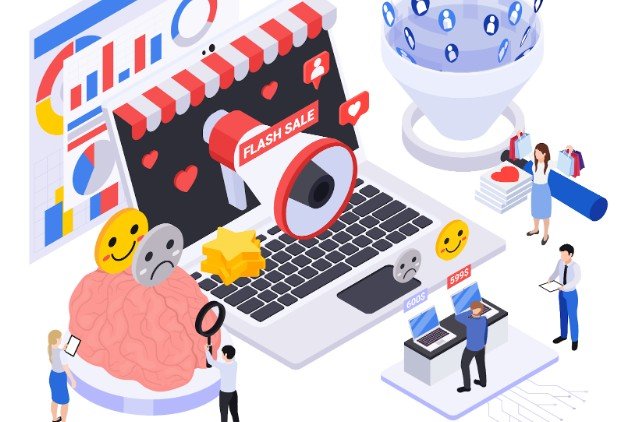
I keep this part simple because overcomplicating it usually leads to confusion. Creators with larger audiences help build awareness. Creators with content authority with niche help build trust. Smaller creators help drive conversions. What matters most is choosing the right creator for the right stage instead of expecting one person to do everything.
How I Build This Strategy Step by Step
First, I define the goal clearly. If I want visibility, I focus on reach. If I want conversions, I focus on actions. Next, I assign content based on the funnel stage. Awareness gets attention-grabbing content. Consideration gets informative content. Conversion gets action-driven content.
Then, I track results based on the stage. This is where many campaigns fail. Without proper tracking, it becomes impossible to know what is working. That is why I always align metrics with goals. It makes the entire influencer marketing funnel measurable and easier to improve over time.
Frequently Asked Questions
1. What is an influencer marketing funnel?
It is a strategy that uses creators across different stages of the buyer journey to guide audiences from awareness to conversion.
2. Which creators are best for conversions?
Smaller creators usually perform better because their audiences trust their recommendations more.
3. What type of content works best in the middle stage?
Educational content like reviews, tutorials, and comparisons works best because it helps people evaluate the product.
4. How do I measure success across the influencer marketing funnel?
I measure each stage differently. Awareness is tracked through reach, consideration through engagement, and conversion through clicks and sales.
What Changed My Approach Completely
Looking back, the biggest change for me was understanding that attention alone is not enough. I needed a system that could turn visibility into real results. Once I started using a structured approach, everything became more predictable.
My campaigns felt more intentional, and my results became easier to improve over time. Instead of chasing quick wins, I started building a strategy that actually works long term. If you apply this mindset consistently, you will not just run campaigns—you will build a system that keeps growing your results over time.