


I still remember the moment I realized my backlinks weren’t working the way I expected. I had links everywhere, but rankings barely moved. That’s when I finally understood what is dofollow vs nofollow links—and honestly, it changed how I approach SEO every single day.
If you’ve ever wondered why some links boost rankings while others just sit there, you’re not alone. Once I started paying attention to link types, my strategy became smarter, cleaner, and way more effective.
Let me walk you through how I actually use this in my routine.
Key Takeaways
- Dofollow links pass SEO authority and help rankings
- Nofollow links don’t pass authority but still bring traffic
- A healthy backlink profile needs both types
- Manual checks and tools help you identify link types quickly
- Smart link usage improves trust and long-term SEO growth
What Is Dofollow vs Nofollow Links And Why Should You Care?
When I first learned what is dofollow vs nofollow links, I realized SEO isn’t just about getting links—it’s about getting the right kind of links.
Dofollow links act like recommendations. When one site links to another with a dofollow link, search engines like Google treat it as a vote of confidence. That’s what pushes pages higher in search results.
Nofollow links work differently. They include a small tag that tells search engines not to pass authority. At first, I thought they were useless. I was wrong.
They still drive traffic, build brand visibility, and make your backlink profile look natural. Without them, your SEO strategy can look suspicious.
Why Do Dofollow Links Still Matter So Much For Rankings?
I’ve tested this myself across multiple blogs. Whenever I earn strong dofollow backlinks, rankings move faster. It’s not magic—it’s authority transfer.
Dofollow links help search engines understand that your content deserves attention. When high-quality sites link to you, your credibility increases.
But here’s the catch. Not all dofollow links help equally. A single link from a trusted site beats ten low-quality ones. That’s why I focus on relevance and quality instead of chasing numbers.
Are Nofollow Links Really Worth Your Time?

This is where most people get it wrong.
I used to ignore nofollow links completely. Then I noticed something interesting. Pages with a mix of dofollow and nofollow links performed better over time.
Search engines now treat nofollow as a hint, not a strict rule. That means they may still crawl or consider those links. Plus, nofollow links often bring real visitors—and those visitors matter.
I’ve had nofollow links send traffic that converted better than some dofollow links. That’s when I stopped treating them as “less important.”
How Do I Check What Is Dofollow vs Nofollow Links On Any Page?
This is part of my daily workflow. I never guess—I always check.
The simplest way I use is manual inspection. I right-click a link, click inspect, and look for the HTML tag. If I see rel=”nofollow”, I know it won’t pass authority. If there’s no tag, it’s dofollow.
When I want speed, I rely on tools like MozBar or SEO Minion. These highlight links instantly, which saves time during audits.
And when I analyze backlinks at scale, I turn to Ahrefs or Semrush. That’s where strategy really comes together.
If you want a deeper breakdown, I usually guide beginners toward how to find nofollow links on a webpage manually because it builds a solid foundation.
What Happens If You Only Focus On One Type Of Link?
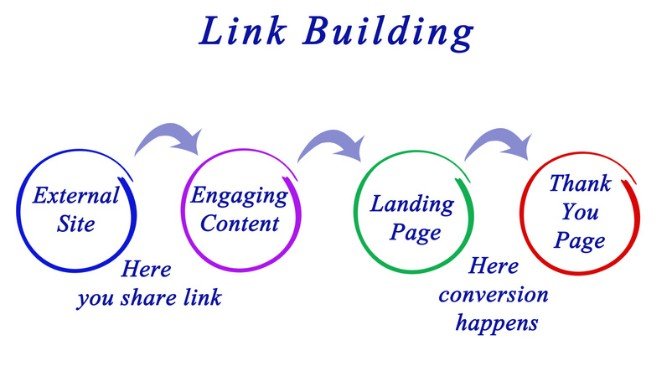
I’ve tried this the wrong way so you don’t have to.
At one point, I chased only dofollow links. My backlink profile looked unnatural, and growth slowed down. Search engines expect diversity.
When I balanced both types, everything improved. Rankings stabilized, traffic became more consistent, and my content started gaining trust.
Here’s a quick comparison I keep in mind:
| Feature | Dofollow Links | Nofollow Links |
| SEO Authority | Passes authority | Does not pass directly |
| Ranking Impact | Strong | Indirect |
| Traffic Value | Moderate to high | Often high |
| Best Use | Trusted content | Ads, comments, UGC |
How To Use What Is Dofollow vs Nofollow Links In Your SEO Strategy
This is where everything comes together in my routine.
First, I focus on earning dofollow links through high-quality content. I write posts that naturally attract backlinks instead of forcing them.
Then I allow nofollow links to happen organically. Comments, social shares, and mentions all contribute to a natural profile.
I also review my outbound links. If I link to trusted sources, I keep them dofollow. If I’m unsure or dealing with sponsored content, I switch to nofollow.
Over time, this balanced approach builds authority without raising red flags.
How To Check What Is Dofollow vs Nofollow Links Step By Step
Here’s exactly how I do it when I’m auditing a page.
First, I open the webpage and pick a link I want to analyze. I right-click on it and select inspect. This opens the HTML panel.
Next, I locate the <a> tag. I scan for the real attribute. If I see nofollow, sponsored, or ugc, I treat it as a nofollow link.
If I don’t see any rel attribute, I mark it as dofollow. That’s the default behavior.
Finally, when I need to check multiple links quickly, I switch to browser extensions. This helps me review entire pages without repeating the manual process.
This simple habit saves me time and prevents SEO mistakes.
How Does Google Actually Treat These Links Today?
Search engines have evolved a lot.
Back in the day, nofollow links had zero SEO value. Today, Google treats them as hints. That means they may still influence crawling and indexing.
I’ve seen pages get discovered through nofollow links alone. That’s why I never ignore them anymore.
The real takeaway here is simple. SEO isn’t about strict rules anymore. It’s about signals, patterns, and trust.
So… Should You Stress About What Is Dofollow vs Nofollow Links?
Here’s my honest answer.
You should care—but you shouldn’t stress.
I treat dofollow links as growth drivers and nofollow links as support systems. Together, they create a balanced and realistic SEO strategy.
Once you understand how they work, you stop overthinking and start making smarter decisions.
FAQs About What Is Dofollow vs Nofollow Links
1. What is dofollow vs nofollow links in simple terms?
Dofollow links pass SEO authority and help rankings. Nofollow links don’t pass authority but still bring traffic and visibility.
2. Do nofollow links help SEO at all?
Yes, indirectly. They drive traffic, improve brand visibility, and help create a natural backlink profile that search engines trust.
3. How can I quickly check link types?
You can inspect the link manually or use tools like SEO Minion for faster results.
4. Should I only build dofollow backlinks?
No. A mix of both looks more natural and works better long term. Relying only on dofollow links can hurt your SEO profile.
The Real Talk: What Actually Works In The Long Run
After years of testing, I’ve learned one thing.
SEO rewards balance, not shortcuts.
Understanding what is dofollow vs nofollow links gave me clarity, but applying it consistently gave me results. I stopped chasing every link and started focusing on smart linking habits.
If you keep your strategy natural, stay consistent, and focus on value, the rankings follow.
And if you ever feel stuck, just go back to basics. Check your links, understand their purpose, and keep building with intention.