


Building something online used to mean collecting followers, running ads, and hoping people would come back. That worked for a while. But over time, it started feeling like shouting into a crowded room where no one really knew you.
Then communities changed the game. When people start talking to each other, not just to your brand, something shifts. It stops being transactional. It becomes relational. And that’s where long-term growth actually begins to take shape.
Why Online Communities Feel Different From Traditional Marketing

Most marketing pushes messages outward. Communities pull people inward.
Instead of constantly trying to acquire attention, you’re creating a space where people choose to stay. That subtle difference builds something far more valuable than reach it builds connection.
And once a connection exists, everything else compounds: engagement, trust, retention, and even revenue.
How Communities Drive Long-Term Loyalty And Retention
Loyalty used to be about discounts or convenience. Now, it’s about belonging.
When people feel like they’re part of something, they don’t leave easily. They stay because they recognize names, conversations, and shared experiences. That emotional layer is what turns casual users into long-term members.
Communities naturally strengthen customer loyalty through community interaction because:
- People engage with peers, not just brands
- They see others solving similar problems
- They feel understood without needing constant brand intervention
Over time, this creates a loop where even inactive users come back not because of marketing campaigns, but because the community itself stays active and relevant.
The Growth Engine Most Brands Underestimate
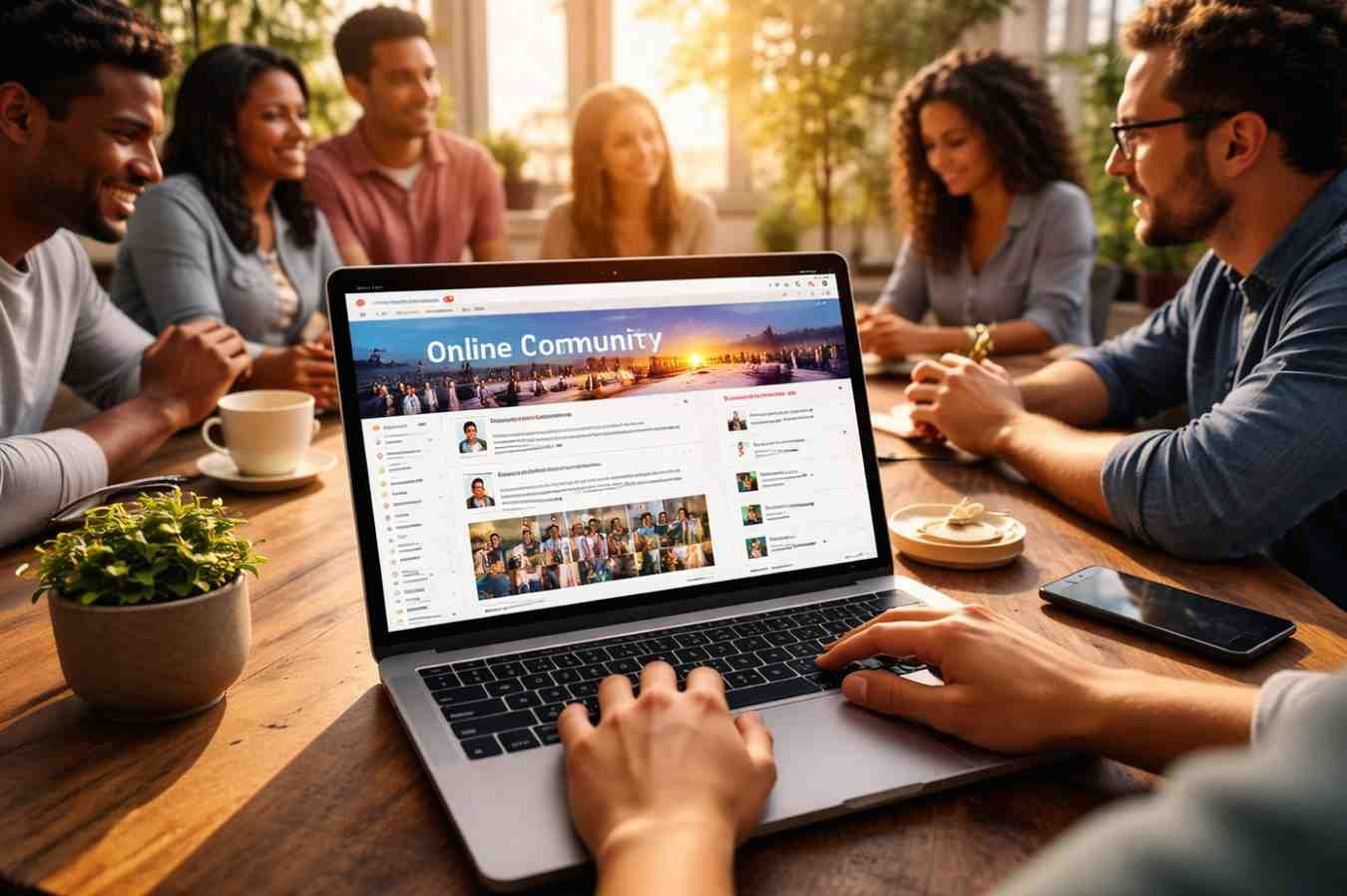
Here’s where things get interesting. Communities don’t just retain users, they grow your business quietly in the background.
Engaged members tend to:
- Spend more time
- Stay longer in your ecosystem
- Bring others in without being asked
That’s the foundation of community-driven growth.
Instead of relying heavily on paid acquisition, your growth starts coming from:
- Word-of-mouth recommendations
- Social proof within niche circles
- Organic sharing of experiences
And because conversations keep happening, your platform continuously generates user-generated content, which strengthens your visibility and search presence without extra effort.
Turning Audience Into Advocacy
There’s a big difference between someone who buys from you and someone who talks about you.
Communities create advocates because people don’t just interact with your brand they associate themselves with it. It becomes part of their identity.
That’s where brand community benefits go beyond engagement. You start seeing:
- Members answering questions for others
- People defending your brand in discussions
- Organic recommendations without incentives
Trust also shifts here. People rely more on peer experiences than brand messaging. That makes communities one of the strongest forms of social proof available today.
How Communities Lead To Better Products Without Guesswork

One underrated advantage of online community building is how naturally it feeds into product decisions.
Instead of running occasional surveys or guessing what users want, you get a continuous stream of real conversations. People openly share:
- Pain points
- Feature requests
- Workarounds they’ve discovered
This creates a built-in feedback loop that feels more honest than structured research.
Some brands even go further and involve their communities in co-creation. When users contribute ideas, they’re far more likely to support the final product because they’ve already invested in it emotionally.
The Quiet Impact On Operational Efficiency
This is where communities save more than just marketing effort.
As your community grows, members begin helping each other. Questions get answered faster, and not everything depends on your support team anymore.
That leads to:
- Reduced support workload
- Faster problem resolution through peer interaction
- A growing knowledge base built by users themselves
Over time, your community becomes a self-sustaining support system. Instead of repeating the same answers, your team can focus on bigger improvements and a strategy for niche audience marketing.
What Makes Communities Sustainable Over Time

Not every community lasts. The ones that do have a few things in common.
- Consistent engagement, not forced activity
- Space for members to interact freely, not just brand-led discussions
- Clear shared purpose or interest
- Recognition for active contributors
The goal isn’t to control the conversation, it’s to facilitate it.
That’s what keeps people coming back. Not content alone, but in connection.
Where Most People Get It Wrong
A lot of brands try to build communities like they run campaigns structured, controlled, and heavily branded.
That approach usually fails.
Communities thrive when they feel:
- Authentic
- Member-driven
- Slightly imperfect
People don’t join communities to be marketed to. They join to connect, learn, and share. The more natural the environment feels, the stronger the engagement becomes.
The Compounding Effect Of Community-Led Growth

What makes communities powerful isn’t just what they do today, it’s what they build over time.
Small interactions turn into relationships.
Relationships turn into trust.
Trust turns into loyalty.
Loyalty turns into advocacy.
And that cycle keeps repeating.
That’s why communities don’t just grow, they compound. Each new member adds value not just for the brand, but for every other member inside the ecosystem.
Frequently Asked Questions: Benefits Of Building Online Communities For Long-Term Growth And Loyalty
1. What are the main benefits of building online communities?
The main benefits include stronger customer loyalty, higher engagement, organic growth through word-of-mouth, better customer insights, and reduced support costs over time.
2. How do online communities improve customer retention?
Communities create emotional connections and a sense of belonging, which encourages users to stay longer and remain engaged even without constant marketing efforts.
3. Can small businesses benefit from building online communities?
Yes, even small businesses can benefit by building closer relationships with their audience, gaining direct feedback, and growing through referrals instead of relying heavily on paid marketing.
4. What platforms are best for building online communities?
Popular platforms include private groups, forums, and tools like Discord, Slack, or dedicated community platforms, depending on the audience and goals.
Final Thoughts
Building a community isn’t a quick strategy. It takes time, consistency, and a willingness to let go of control. But once it starts working, it changes how growth happens. You stop chasing attention and start building relationships that sustain themselves.
In the long run, communities don’t just support your business, they become the reason it keeps growing.