
If you’ve spent any time trying to grow on social media, you’ve probably felt that strange disconnect between having followers and actually having impact. Numbers go up, but conversations don’t. Posts get seen, but nothing really sticks. I’ve seen accounts with massive reach struggle to get even a handful of meaningful comments.
That’s when it becomes obvious: something has shifted. Growth today isn’t about how many people see you. It’s about how many people care enough to engage, respond, and come back. That’s where community-driven social media growth quietly takes over, and once you notice it, you can’t unsee it.
The Shift From Audience To Community

For a long time, social media worked like a megaphone. You posted, people saw it, and that was enough. That model still exists, but it’s losing power fast.
An audience is passive. They scroll, maybe like, and move on. You don’t really know them, and they don’t feel connected to you. It’s a rented relationship, controlled by algorithms.
A community, on the other hand, behaves differently. People talk to each other, not just to you. They respond, share opinions, and feel like they’re part of something. That shift from broadcasting to connection is where real growth starts.
And here’s the uncomfortable truth: if your content doesn’t spark interaction, it doesn’t matter how many people see it.
Why Community-Driven Social Media Growth Actually Works
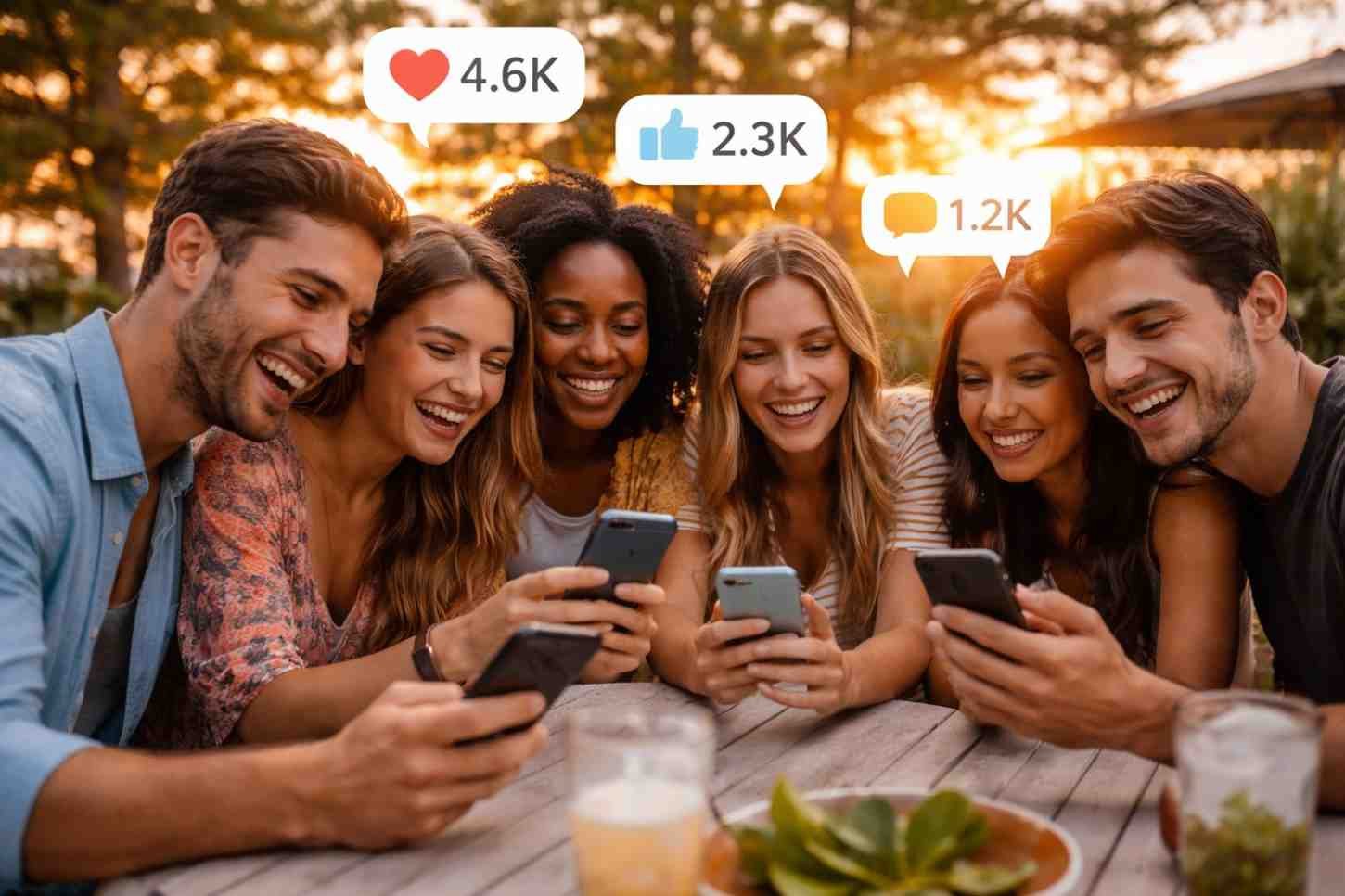
The reason community-driven social media growth works isn’t just strategic, it’s psychological. People want to belong. They want to feel seen, heard, and involved.
When that happens, everything changes.
Communities naturally create deeper engagement. Instead of quick likes, you start seeing longer comments, shares, and conversations. That’s exactly what platforms reward now. Algorithms don’t just look at reach anymore; they prioritize meaningful interactions.
There’s also a clear business side to this. When people feel connected to a brand or creator, they stick around longer. They trust more. They buy more. Even small improvements in retention can significantly impact long-term growth, and the community plays a direct role in that.
Another underrated advantage is how communities support themselves. Instead of every question or issue going to your inbox, members start helping each other. That reduces friction and builds stronger relationships at the same time.
What Most People Get Wrong About Growth

A lot of creators still chase numbers. More followers, more impressions, more visibility. It feels productive, but it often leads to shallow growth.
The problem is, followers don’t equal fans.
Fans:
- Show up consistently
- Engage without being asked
- Share your content with others
- Defend and advocate for your brand
Followers? They might not even remember you tomorrow.
That’s why focusing only on audience engagement, social media metrics like reach or impressions can be misleading. Real growth is quieter. It shows up in conversations, repeat interactions, and loyalty.
Turning Followers Into Fans (What Actually Works)

Building a community isn’t about hacks. It’s about changing how you show up. Instead of trying to perform, you start trying to connect.
Here are a few strategies that consistently work:
- Lean into user-generated content
When people see themselves reflected in your content, they feel included. Sharing their posts, stories, or feedback builds trust fast. - Start conversations, not broadcasts
Polls, questions, and open-ended posts invite participation. The goal is not to inform, it’s to involve. - Show the human side
Behind-the-scenes moments, personal insights, and even small imperfections, these make you relatable. That’s how people move from liking you to trusting you. - Recognize your most active people
Every community has its core members. Acknowledging them, whether through shoutouts or exclusive access, strengthens the entire ecosystem.
These aren’t tactics you apply once. They’re behaviors you commit to over time. That’s what builds an online community that lasts.
Real Brands That Got This Right

You don’t need to guess whether this works. Some of the most successful brands today grew because they understood community early.
Take Glossier. Instead of pushing products first, they built conversations around beauty experiences. Their audience became part of the product creation process, which created a sense of ownership.
LEGO did something similar with its idea platform. Fans submit designs, vote, and influence what gets created. That kind of involvement turns customers into lifelong advocates.
Sephora built a space where users help each other with advice, tips, and recommendations. The brand becomes part of the conversation, not the center of it.
And then there’s GoPro, which consistently highlights content created by its users. The brand grows because its community creates stories worth sharing.
In all these cases, the pattern is clear: growth didn’t come from pushing harder; it came from involving people more.
The Role Of Engagement In Organic Growth
There’s a reason social media engagement strategies matter more than ever. Platforms are no longer rewarding passive consumption. They’re rewarding interaction.
When your content sparks:
- Conversations
- Shares
- Saves
- Back-and-forth replies
…it signals value. That’s what drives visibility now.
This is where organic social media growth becomes less about building online communities and more about depth. One strong conversation can do more than a thousand silent views.
FAQs: From Followers to Fans: The Truth About Community-Driven Social Media Growth
1. What is community-driven social media growth?
Community-driven social media growth focuses on building relationships and engagement rather than just increasing followers. It prioritizes interaction, trust, and long-term loyalty.
2. How is a community different from an audience?
An audience consumes content passively, while a community actively participates, interacts, and builds connections with both the brand and other members.
3. Why is engagement more important than followers?
Engagement reflects real interest and connection. Platforms reward meaningful interactions, making engagement a stronger driver of visibility and growth.
4. How can brands build a strong social media community?
Brands can build community by encouraging conversations, sharing user-generated content, showing authenticity, and consistently engaging with their audience.
Final Thoughts
The biggest mindset shift in social media right now is simple but uncomfortable: reach is no longer enough. You can’t build something meaningful just by being seen. People need a reason to stay, to interact, and to care. That only happens when you move beyond broadcasting and start building real connections.
Community-driven social media growth isn’t faster, but it’s deeper, more stable, and far more rewarding over time. And once that foundation is in place, growth stops feeling like a constant chase.